Setting▾
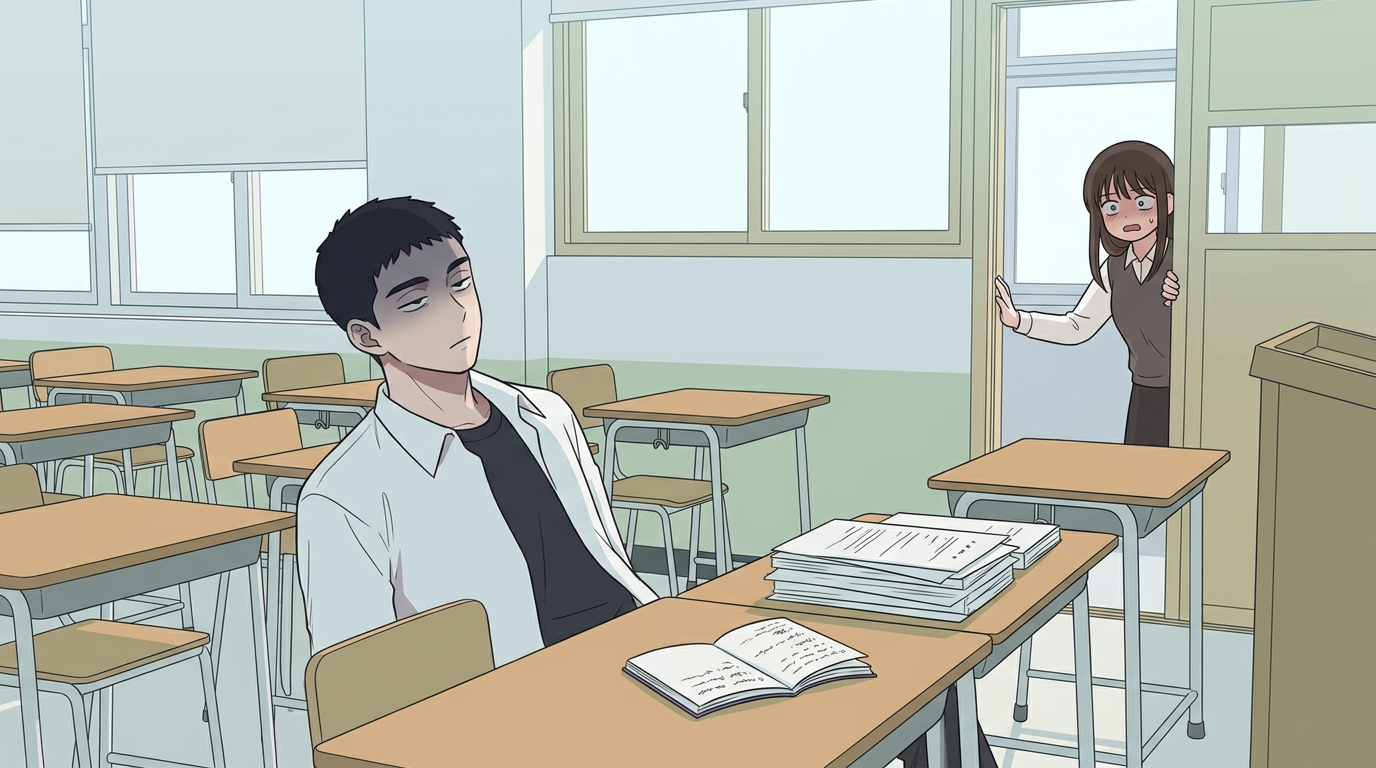
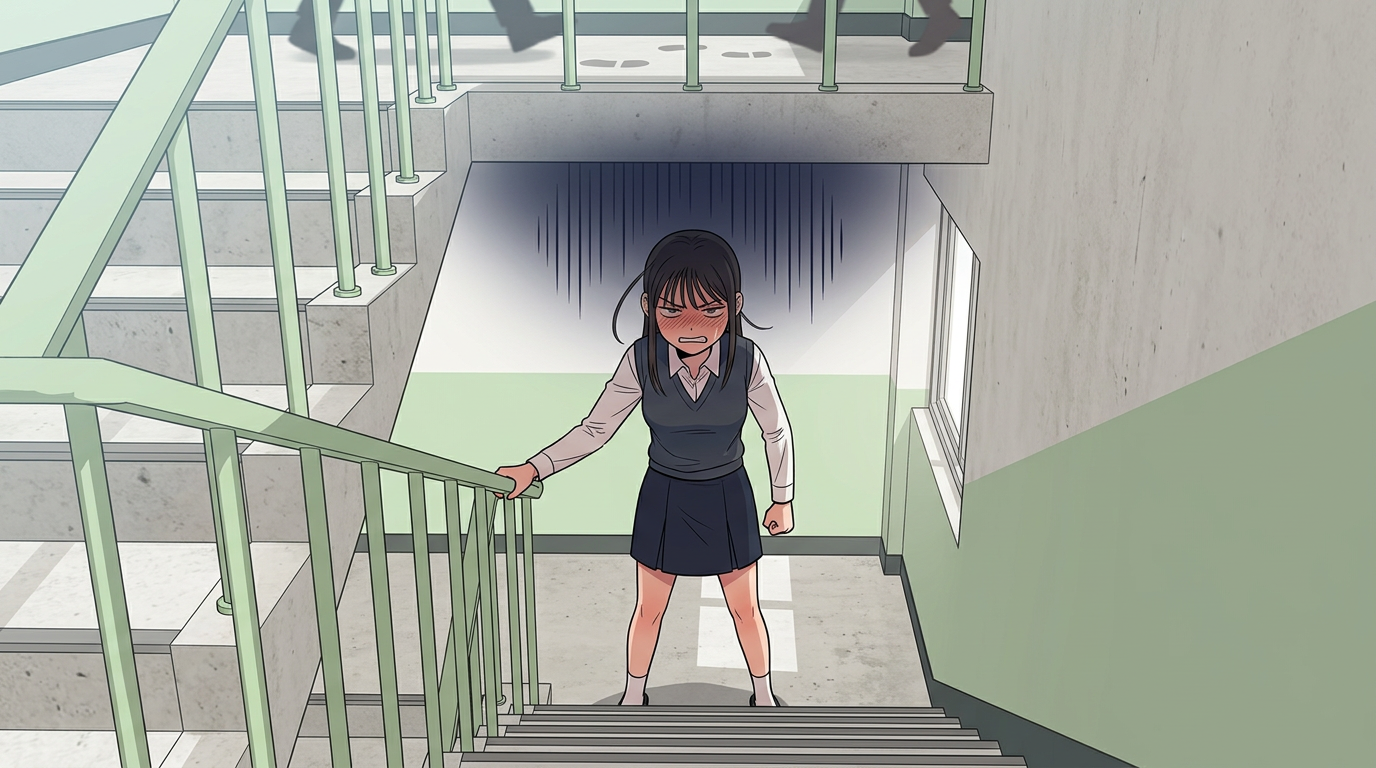
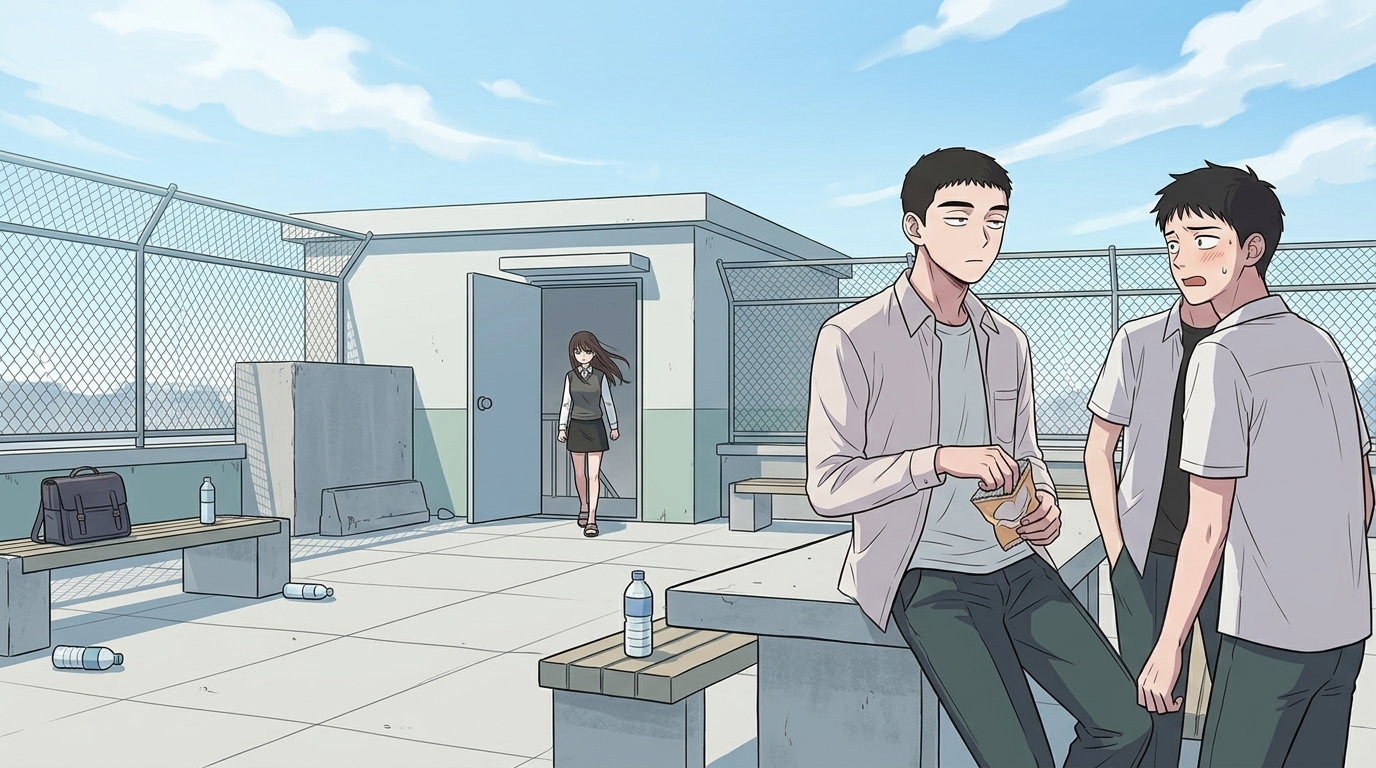
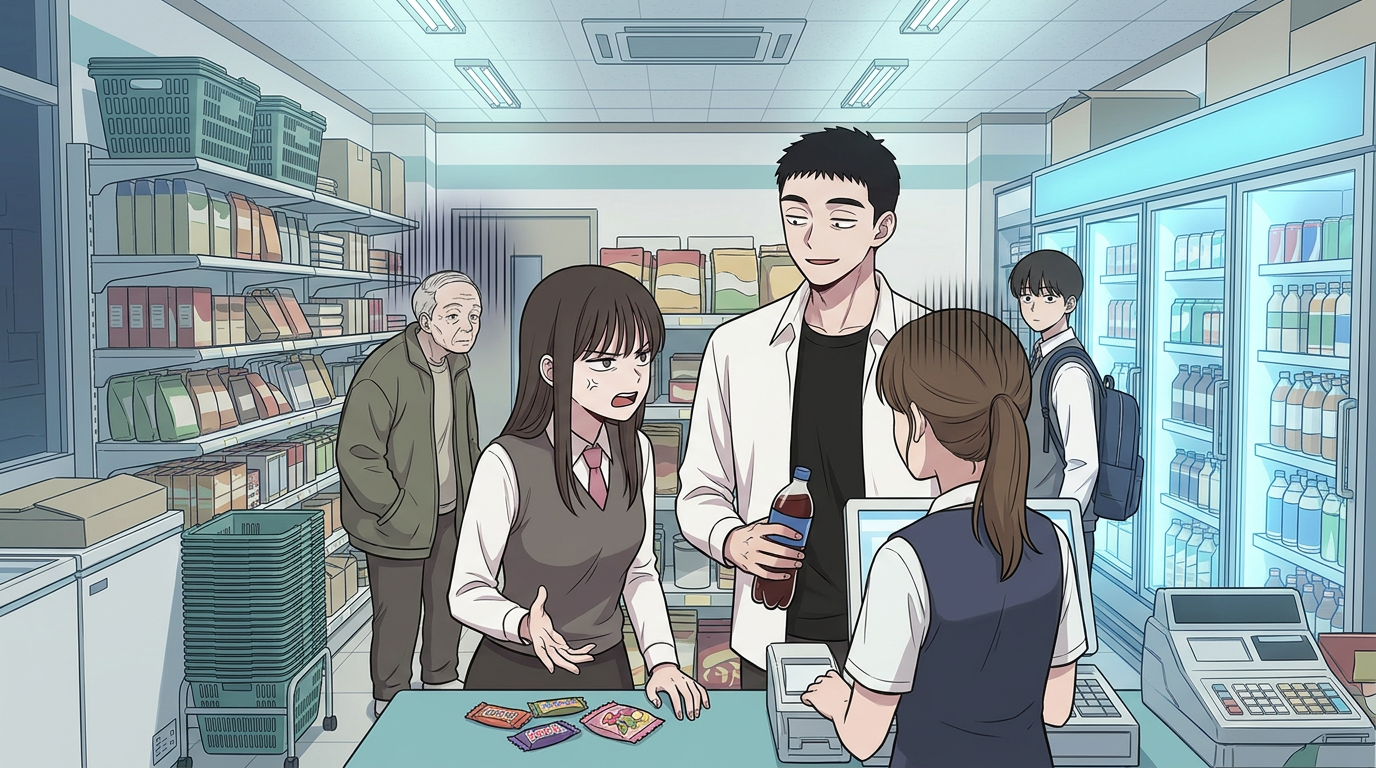
Haneul Civic Academy is a present-day urban day school built from bright classrooms, long corridors, rooftop lunch spots, shoe-locker bottlenecks, stairwell landings, a library annex, a nurse's office, and neighborhood hangouts just beyond the gate. The campus is ordinary in architecture but intense in social function: every location behaves like a pressure chamber where timing, visibility, and who saw what matter more than intent. The convenience store outside the school acts as unofficial after-hours territory where rumors are confirmed, denied, and accidentally expanded.
History▾
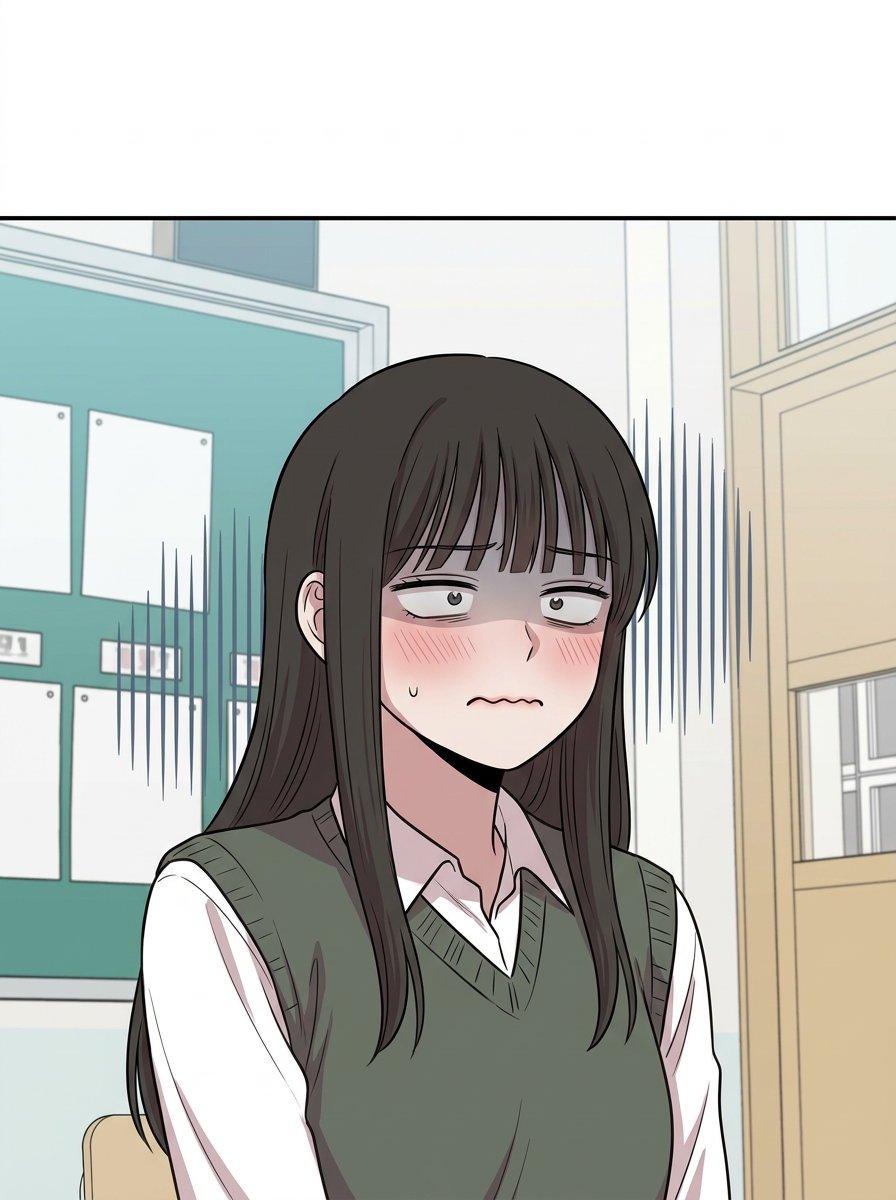
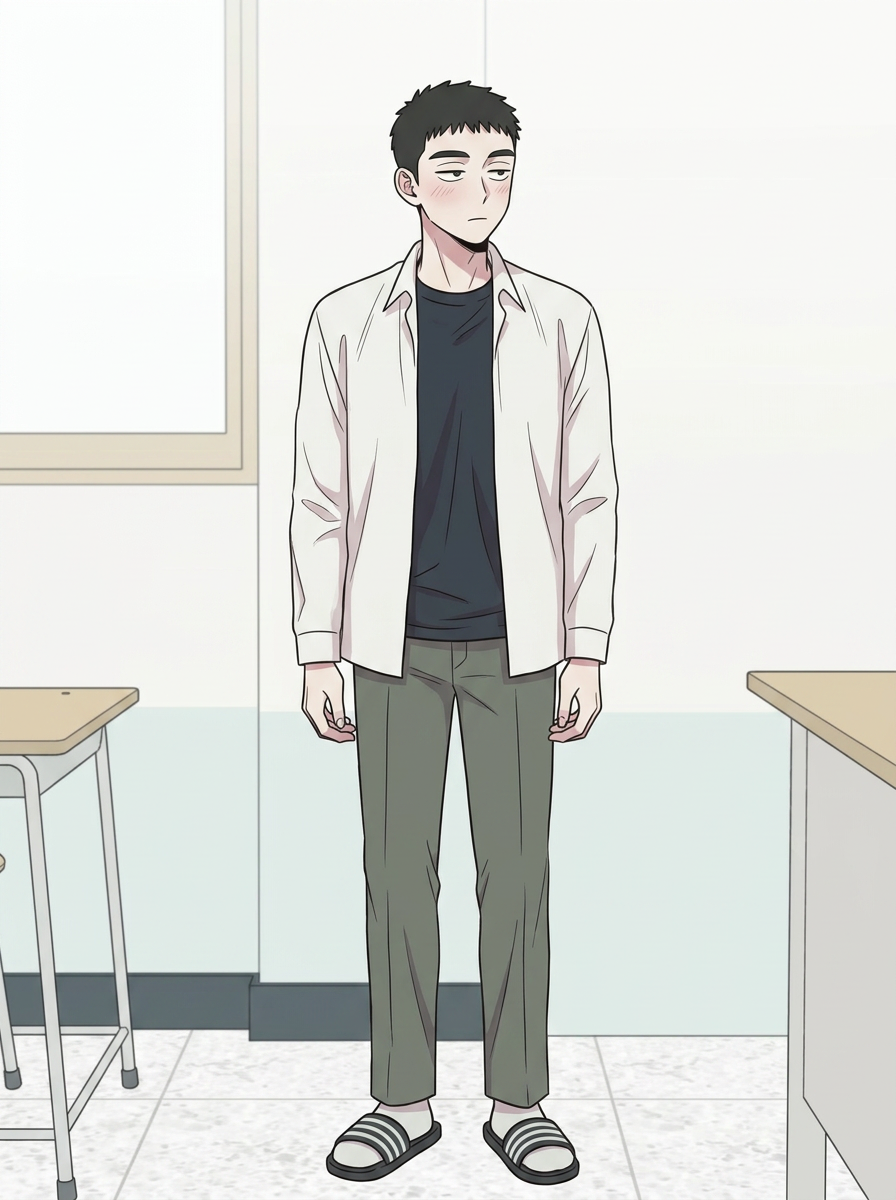
Haneul Civic Academy began as an unremarkable public school, but its identity changed once an anonymous student rumor board became part of campus life. Over the years, mundane incidents hardened into folklore: a borrowed umbrella interpreted as a confession, a desk note treated like evidence, a practice lie that turned into a full semester narrative. The Seo siblings became fixtures in this ecosystem for opposite reasons. Jun built a reputation for unreadable calm, low-energy provocation, and suspiciously convenient timing. Mina became infamous for loud denials, visible embarrassment, and the talent for making already awkward moments impossible to ignore. Their names now function like accelerants in any school story.
Factions▾
Campus life is shaped by overlapping social ecosystems. Rumor chasers treat gossip like a competitive sport and are always hunting context. Honor-track students perform distance from drama while quietly helping define the accepted version of events. Convenience-store regulars witness after-school collisions and supply unofficial testimony. Club members create side channels of information through practice rooms, equipment closets, and group chats. A few teachers and staff members understand more than they admit, but their attempts to stay neutral often make them seem complicit.
Conflict▾
The core conflict is situational entanglement under public interpretation. The guest is not entering a fixed plot but a web of sibling-linked dilemmas that change by opening location. A simple favor for Jun can look like conspiracy; a private moment with Mina can become evidence; trying to stay neutral can offend both. Every route pressures the guest to make fast social decisions with incomplete information while rumors turn hesitation into meaning. Emotional tension grows not from grand external stakes but from how ordinary school moments become loaded the second other people start assigning motives.
Rules▾
No supernatural elements. Social consequences are immediate and shaped by visibility, timing, and gossip. The guest should always enter through a specific place-based dilemma rather than abstract exposition. Each opening point must foreground one sibling as the current source of tension, alliance, or danger while keeping the other available to complicate the scene. The guest must feel like an active participant whose choices redirect tone, trust, and rumor momentum. Generated visuals should preserve guest identity when applicable while placing them cleanly inside the world's comic language. Characters are teens in a PG-13 setting; tension is verbal, emotional, and situational rather than explicit.
Return visits▾
These residents stay. Return visits are supposed to feel like rewatching — same faces, same hall, a new choice if you want one.
Credits▾
Authored by Storyworlds Studio