Setting▾
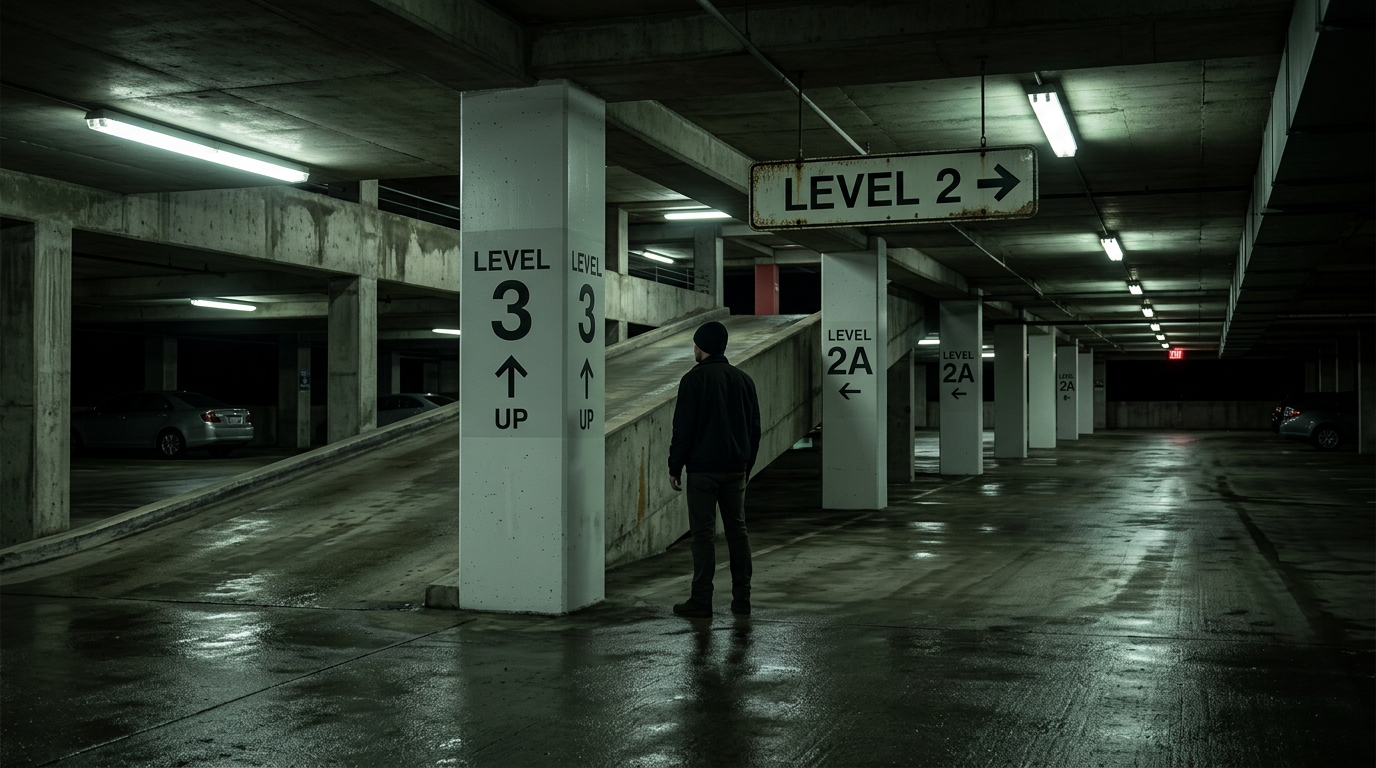
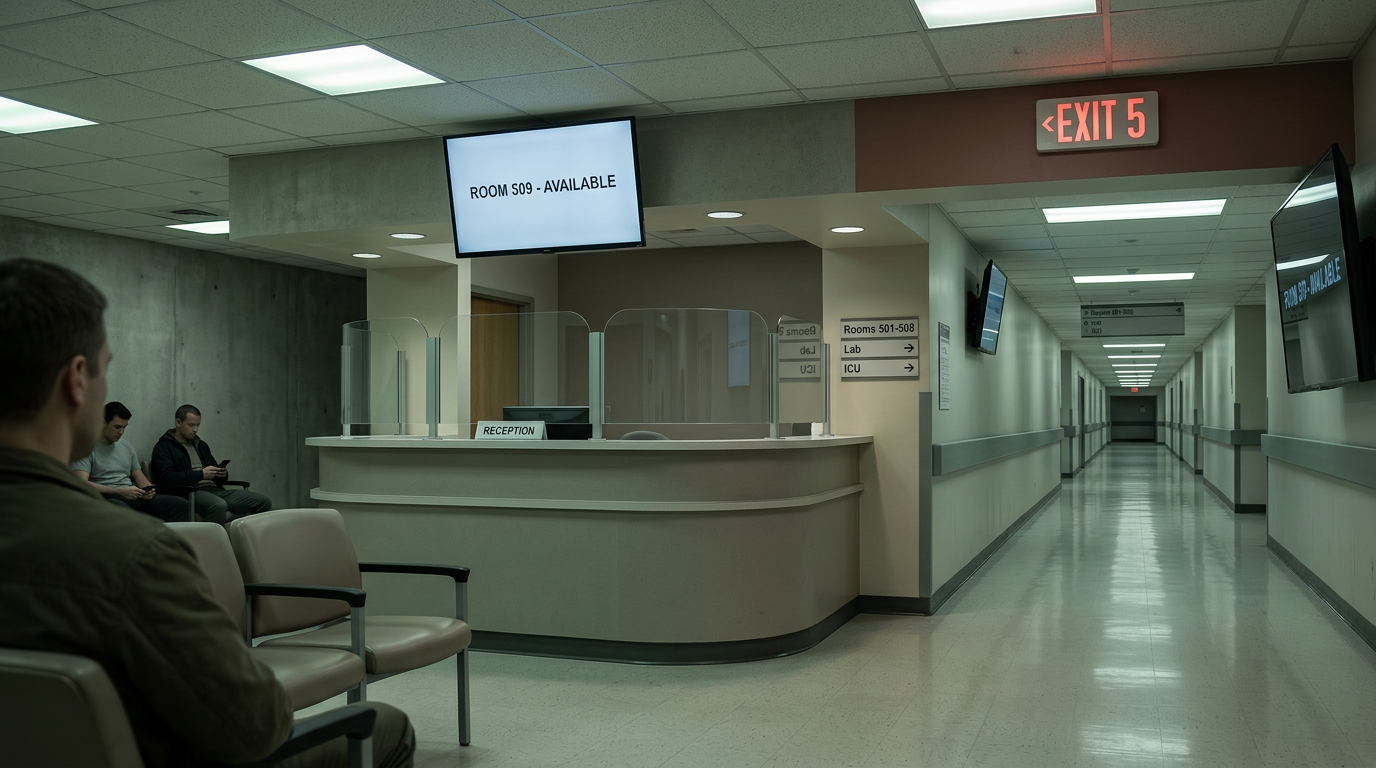
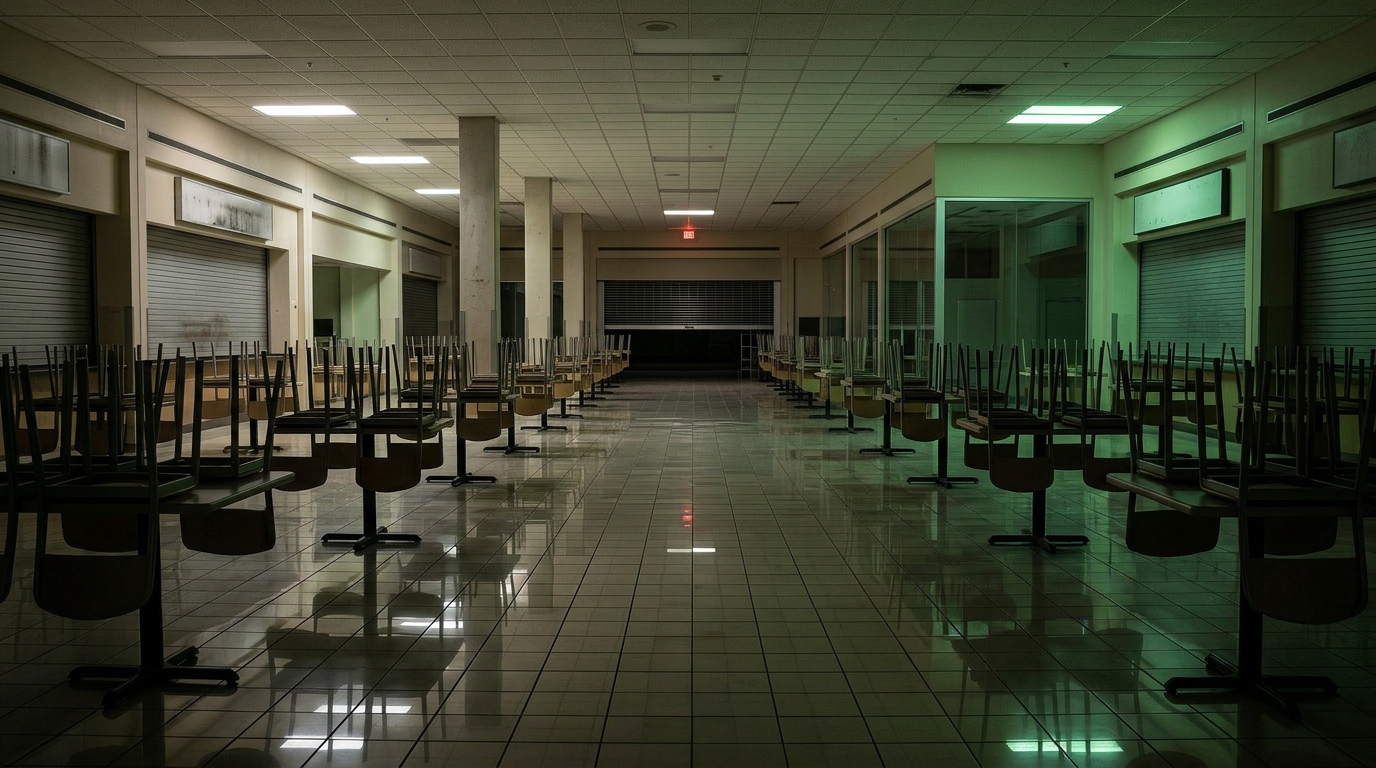
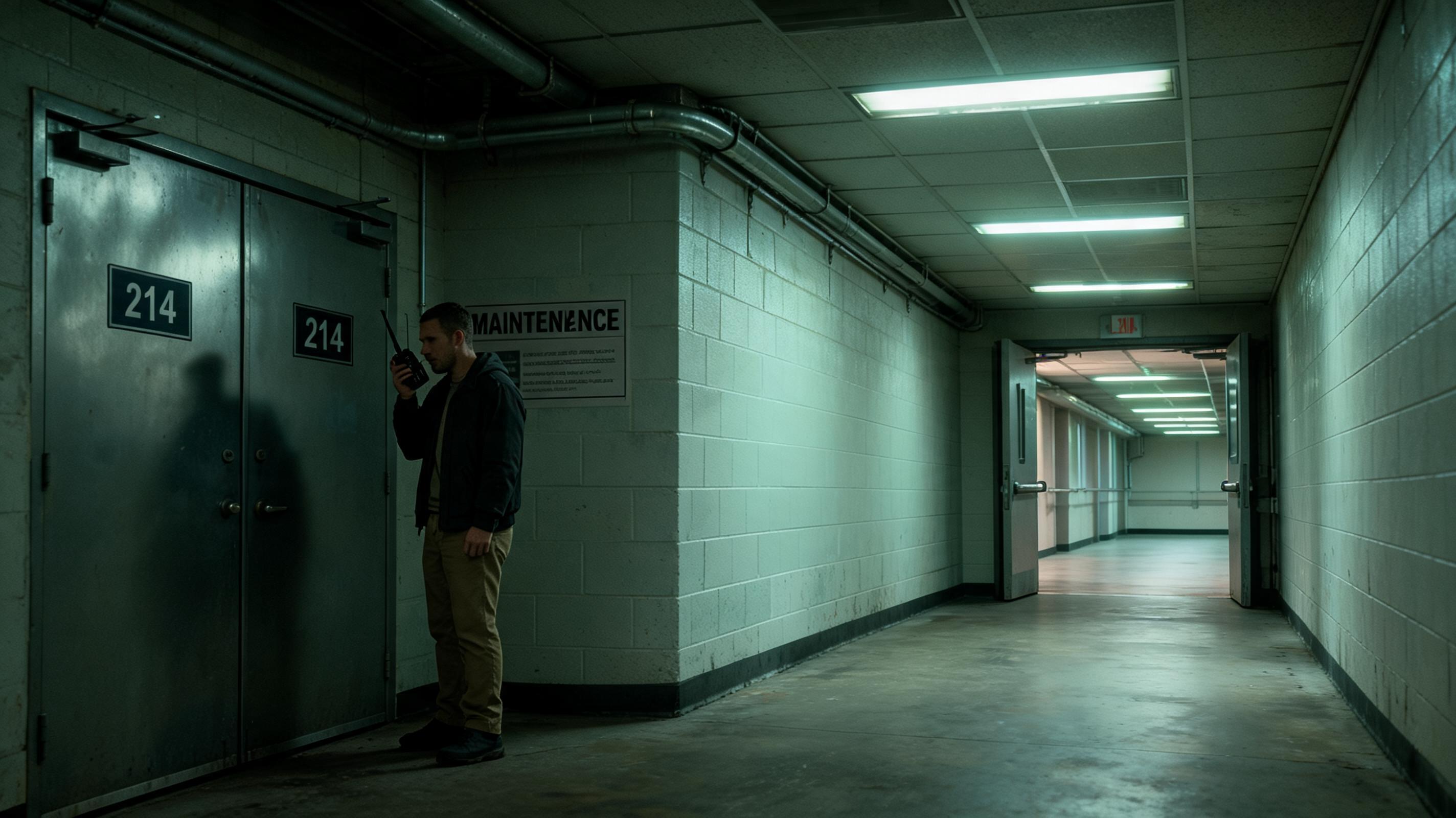
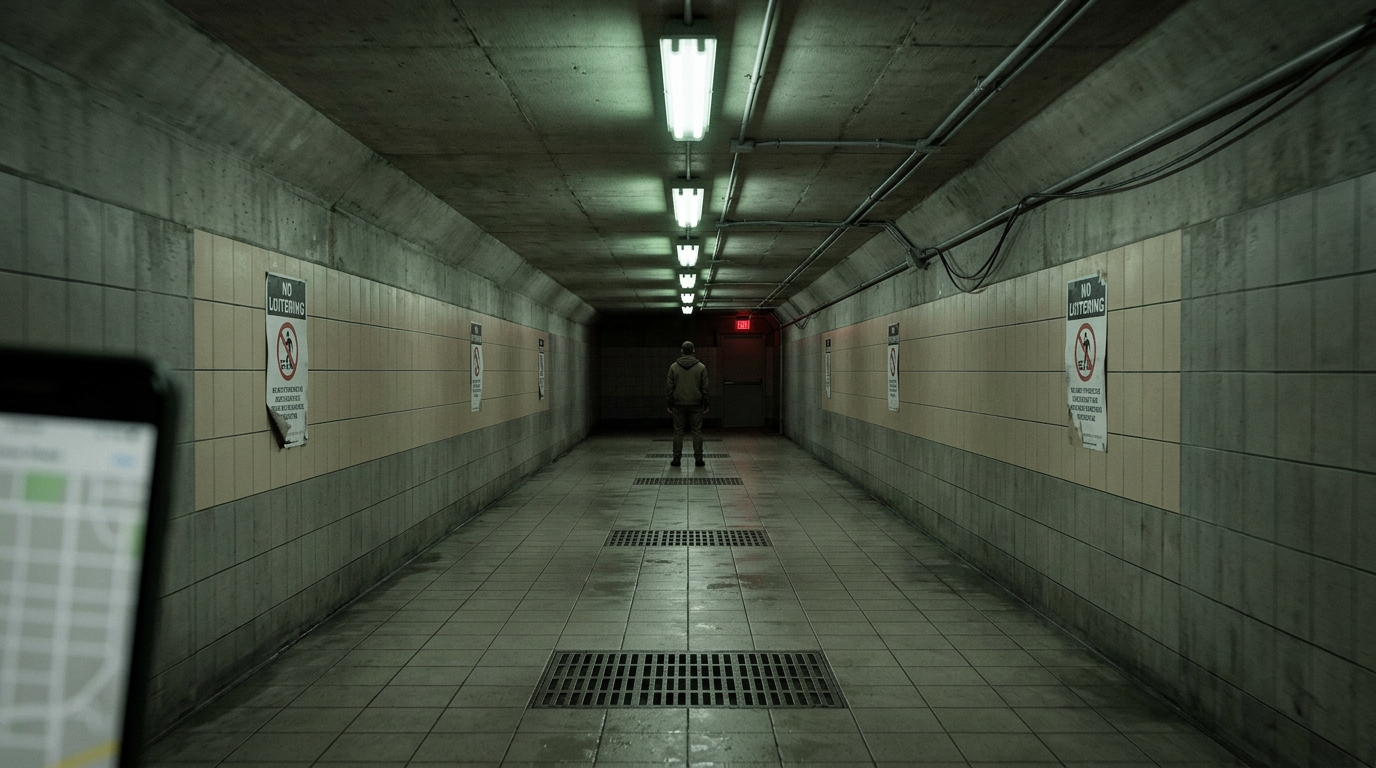
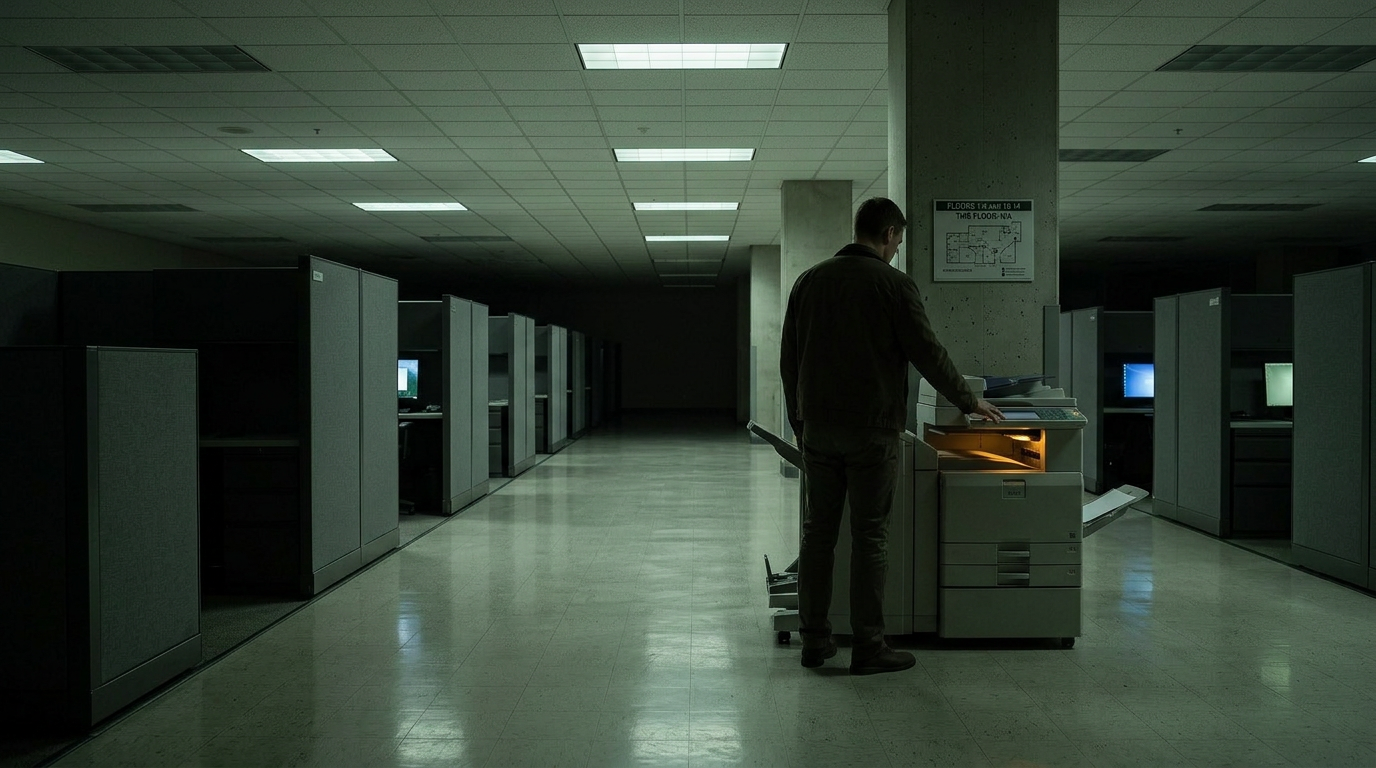
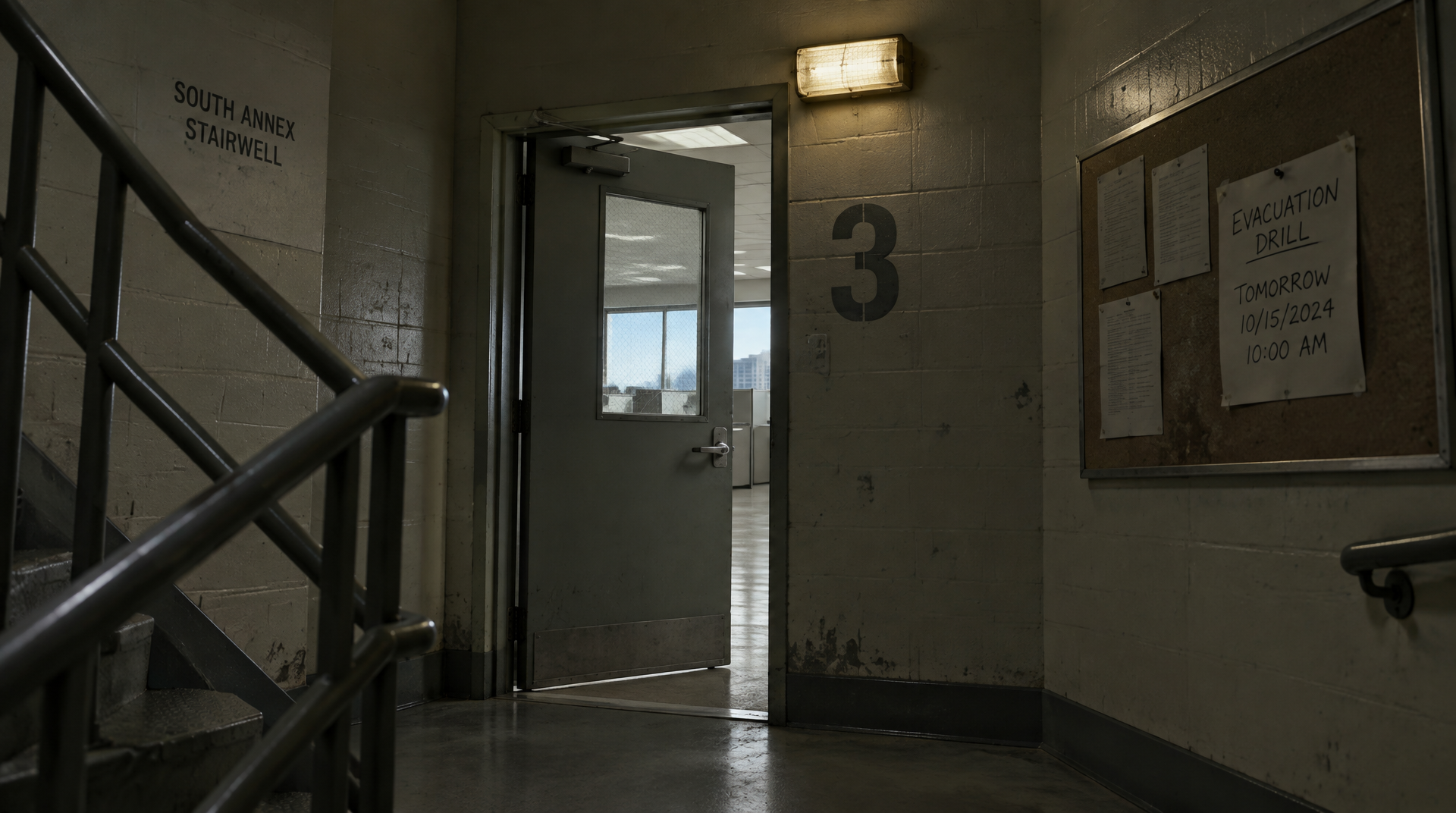
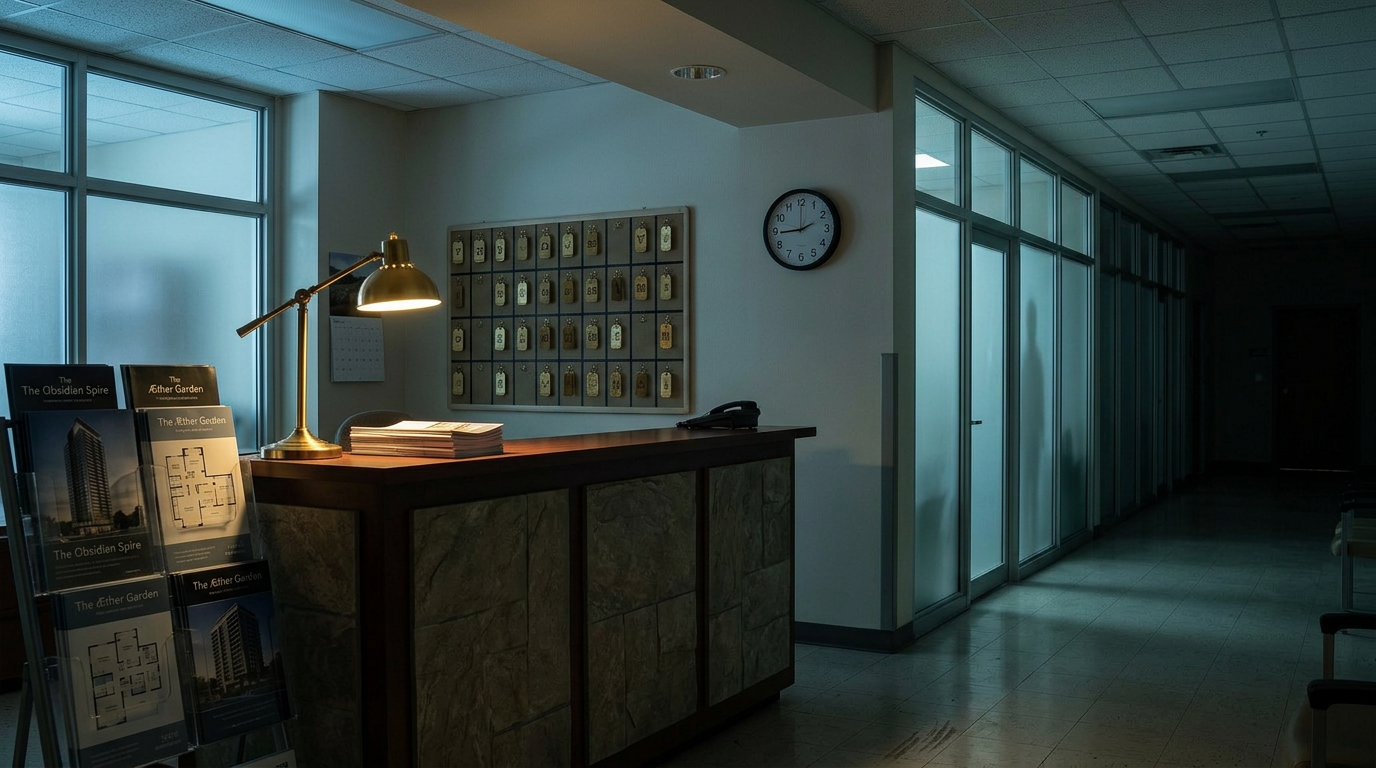
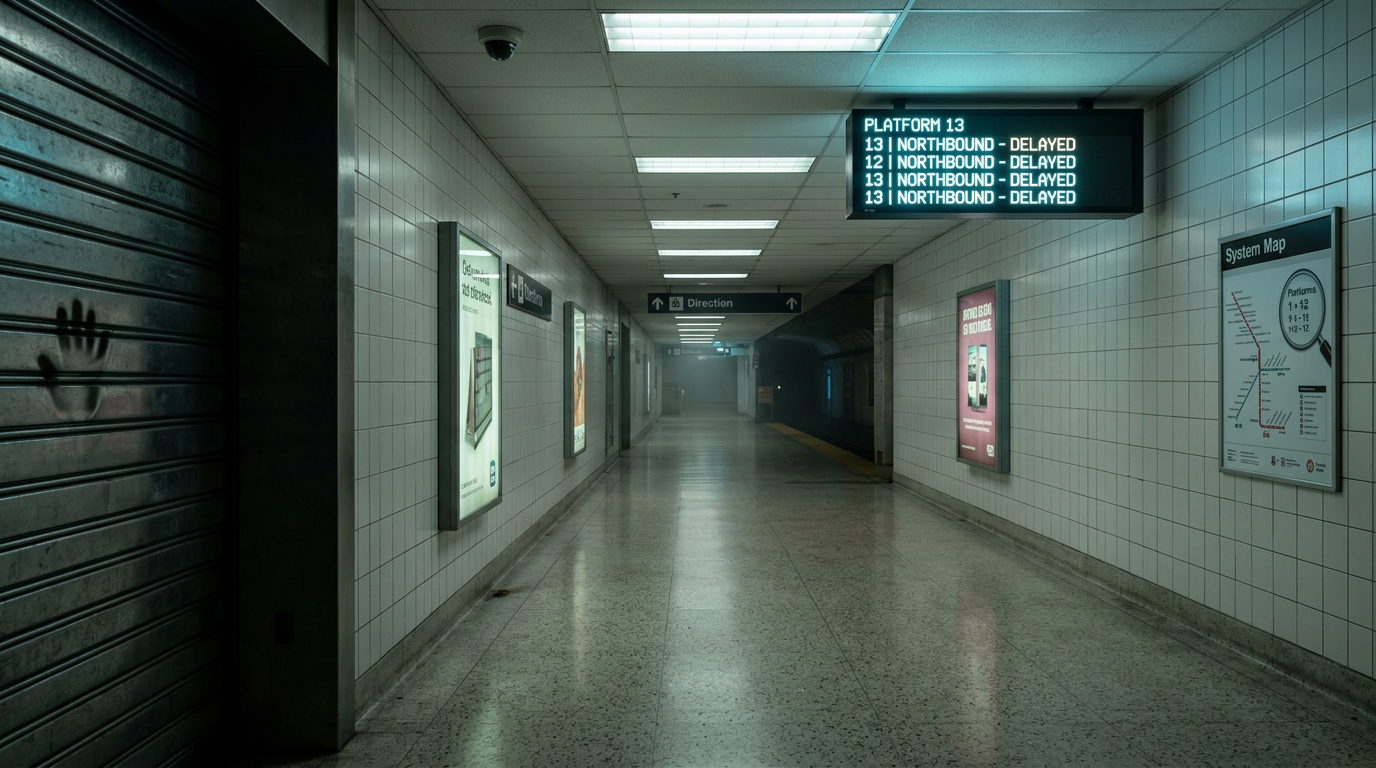
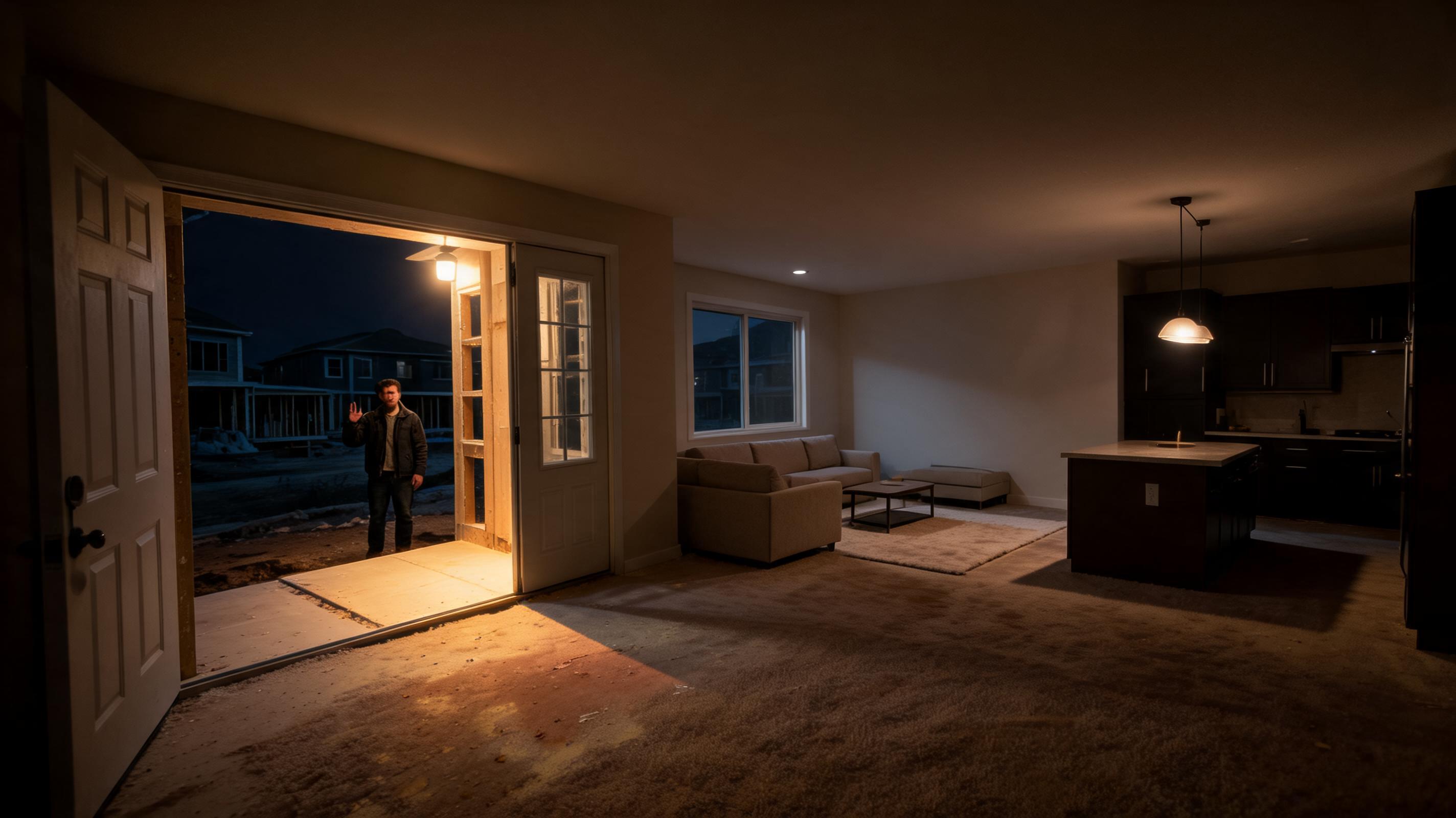
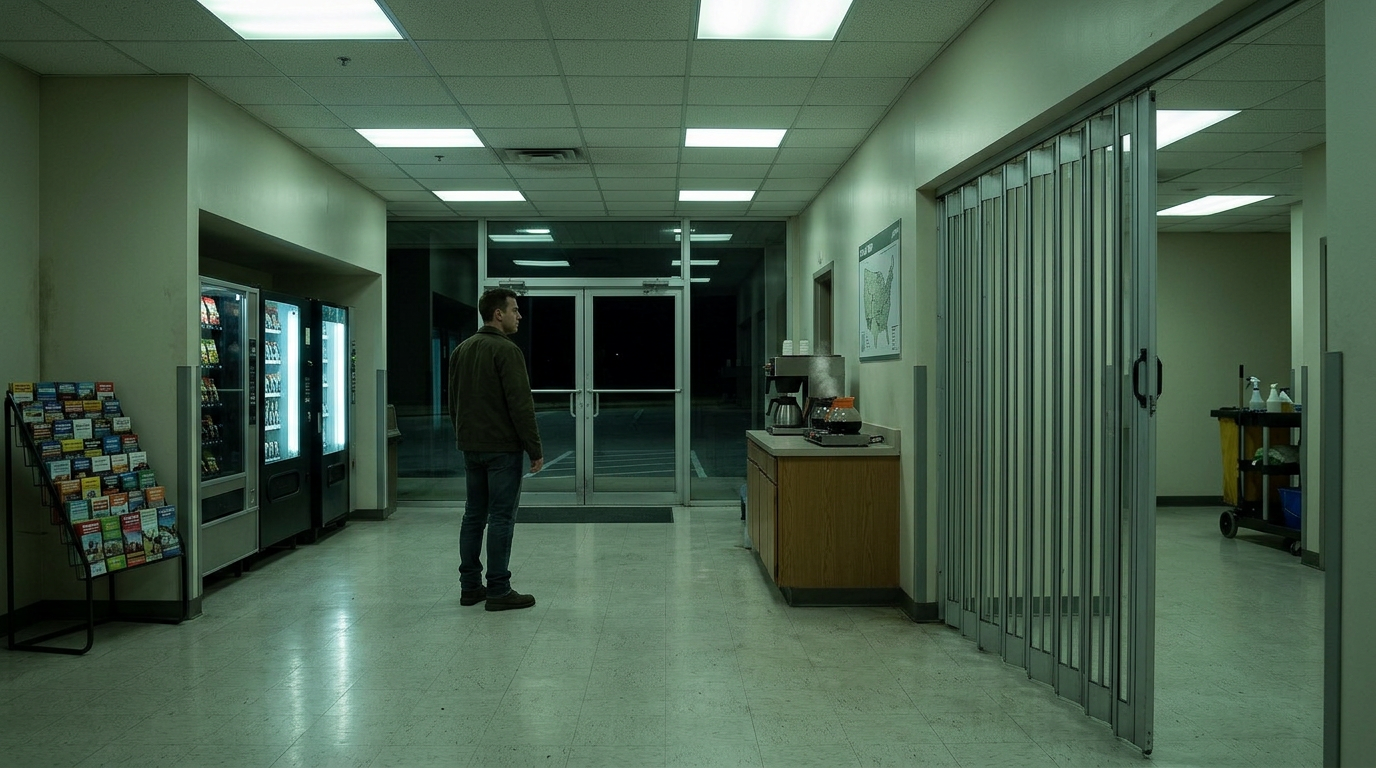
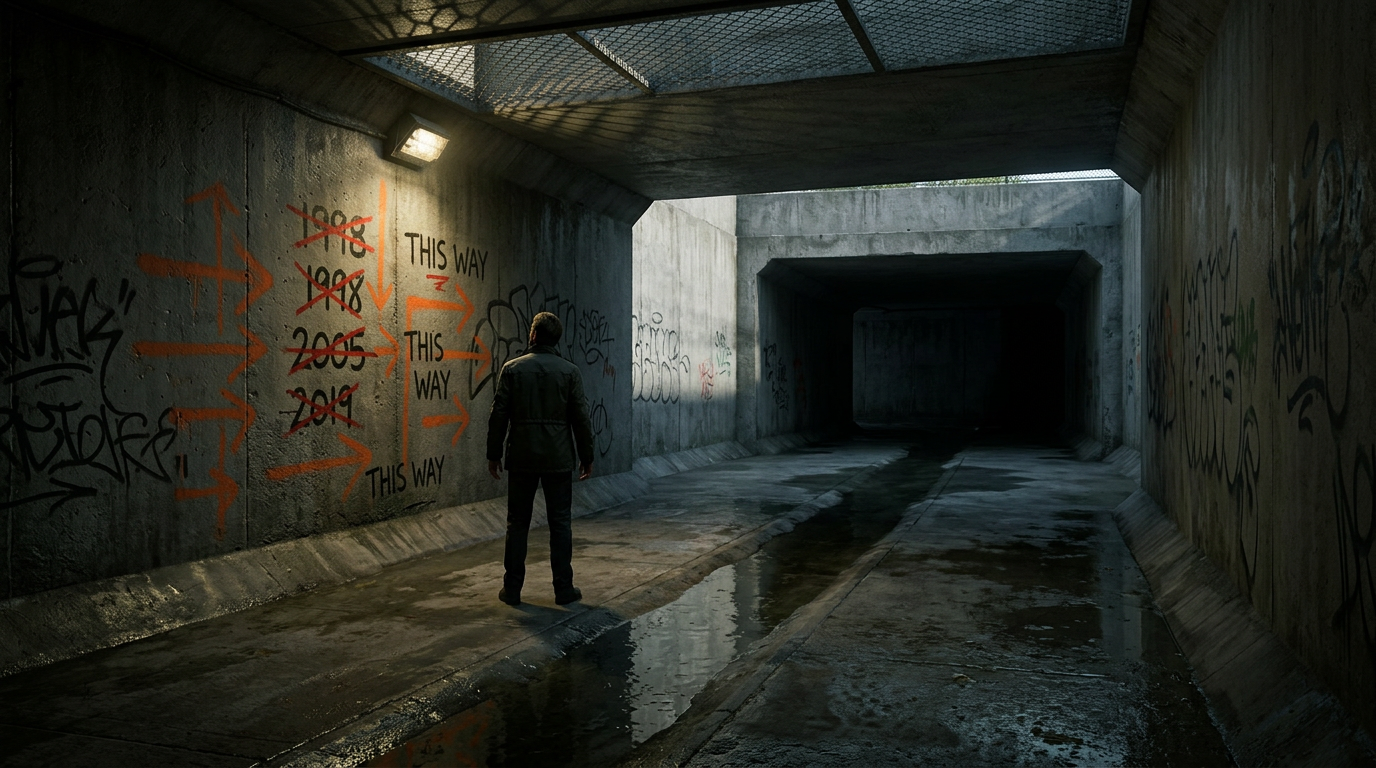
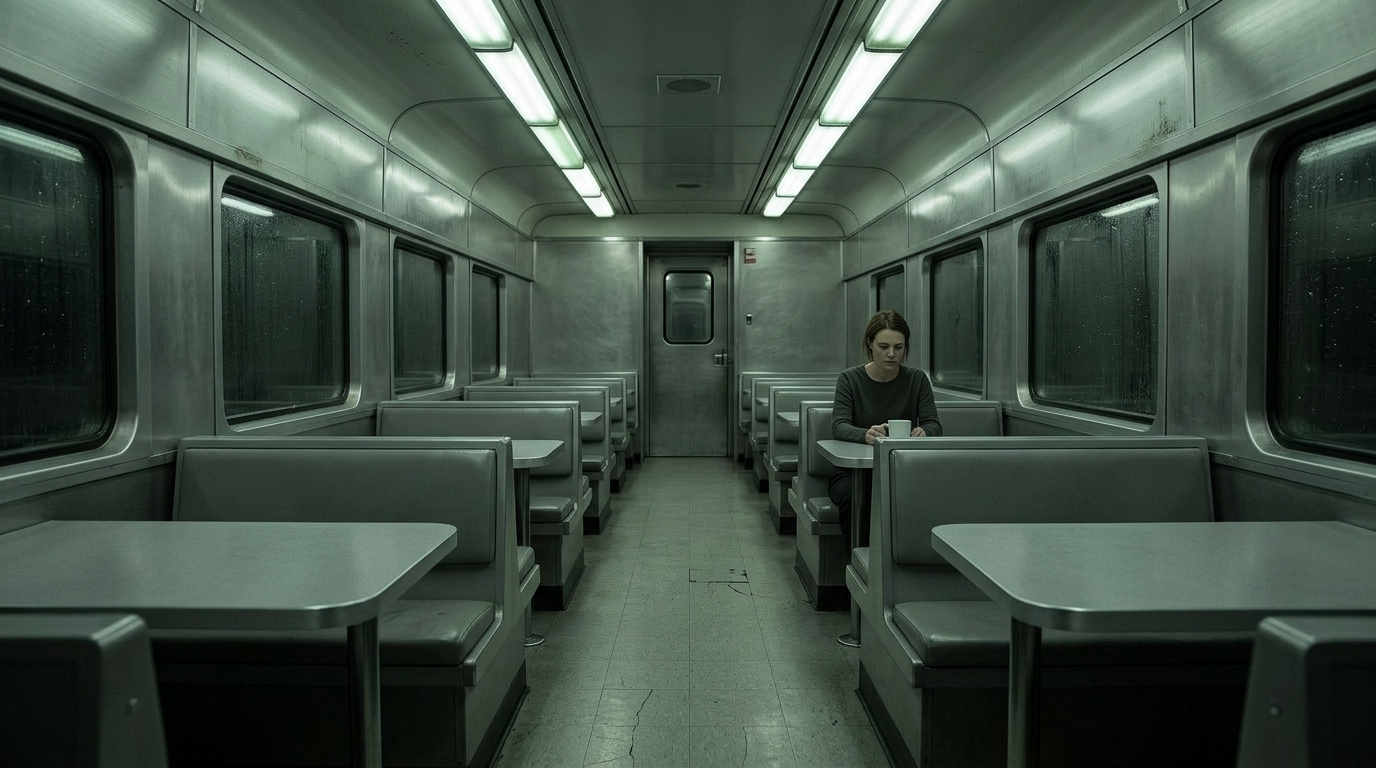
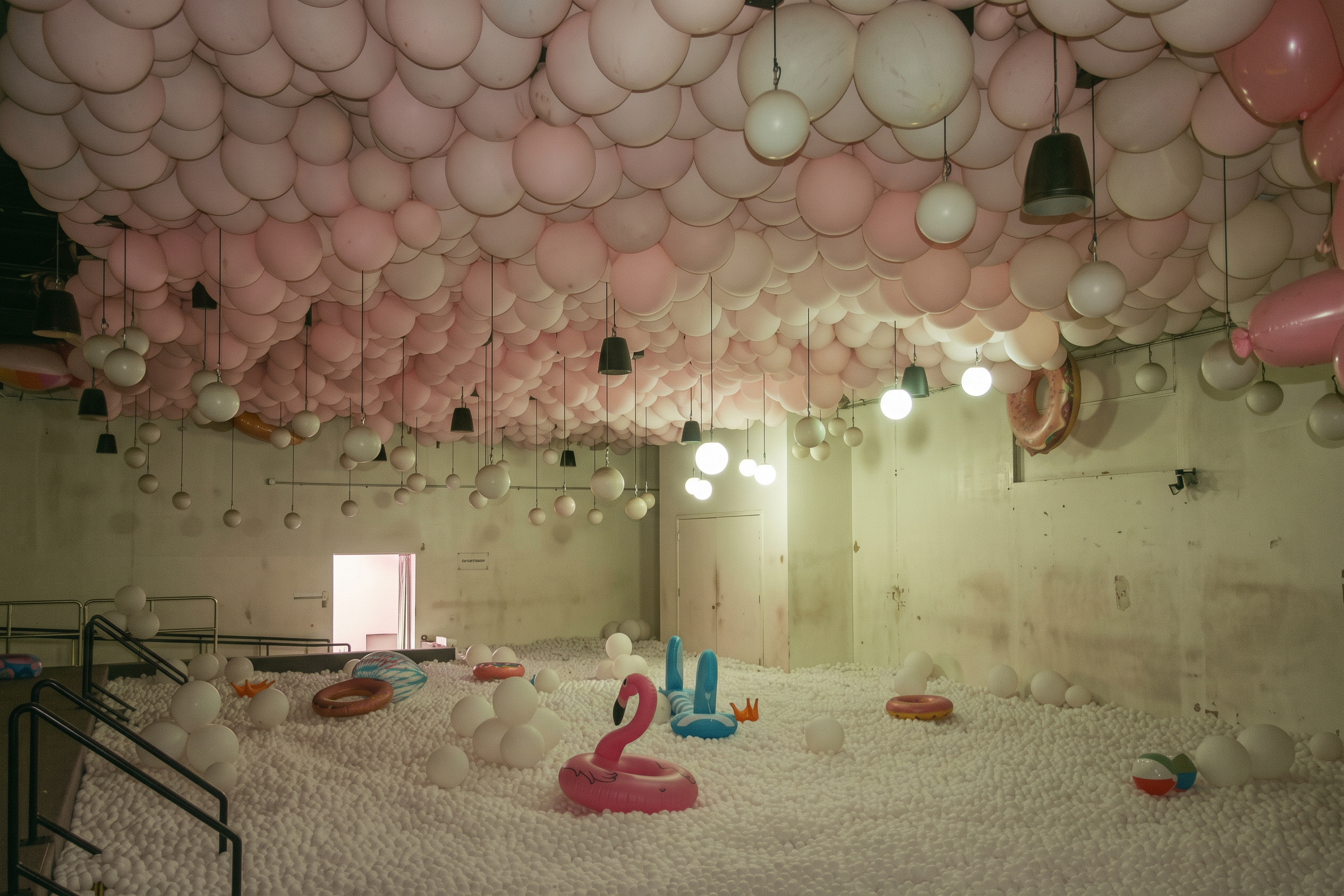
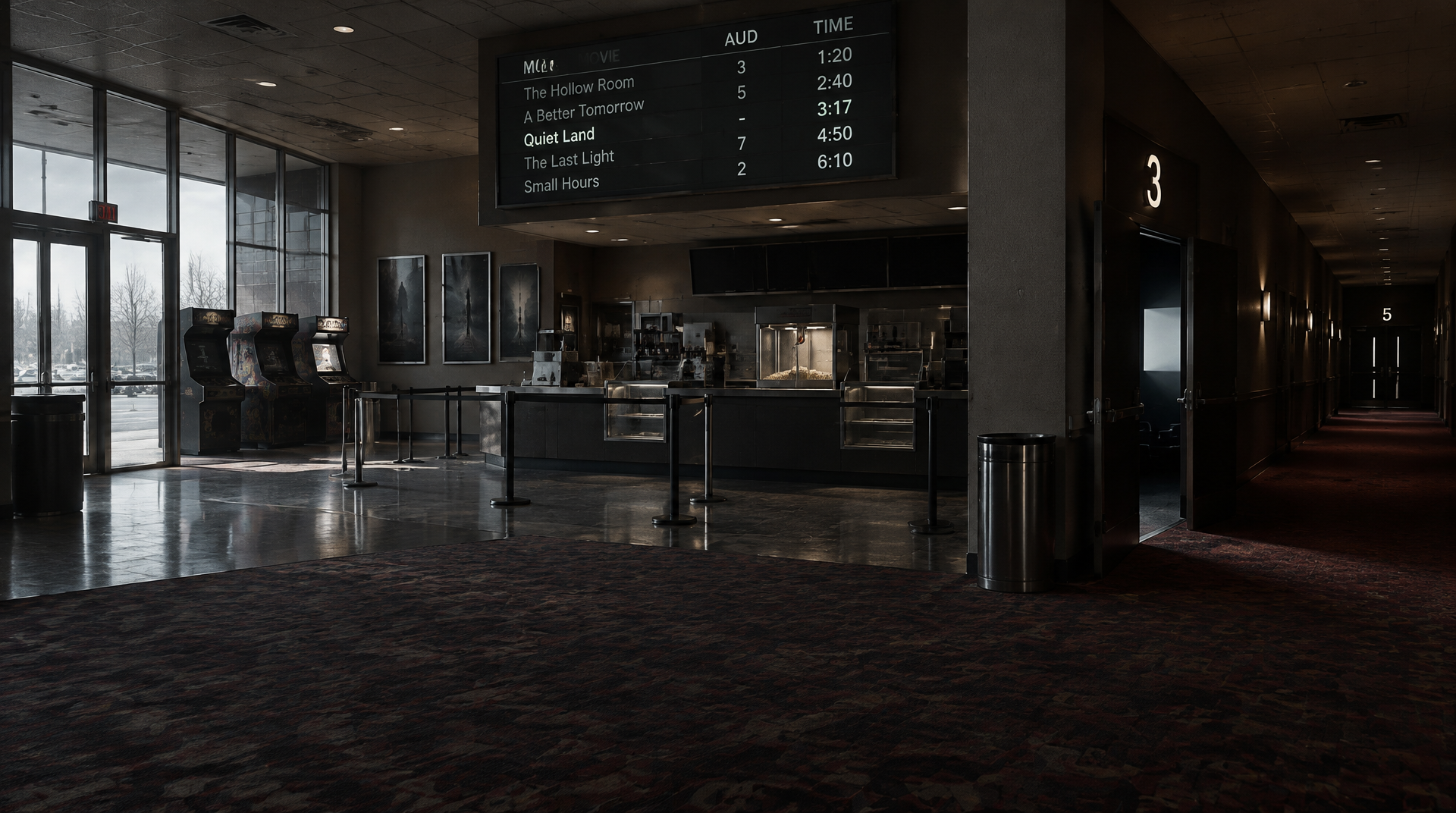
A present-day metropolitan fringe of business parks, hospitals, transit hubs, apartment annexes, loading docks, underpasses, and half-renovated interiors. Everything is believable, contemporary, and almost familiar, yet just misaligned enough to trigger dread. Environments should read as documentary-real spaces with accurate materials, institutional lighting, and true-to-life scale.
History▾
For years, disappearances and breakdowns around anonymous public interiors have been written off as stress, urban isolation, or bad surveillance coverage. A buried pattern links them: those who linger in liminal places begin to report impossible repetitions, missing time, and architecture that remembers them. Accounts emphasize mundane realism—security footage, maintenance logs, floor plans, and eyewitness details—over mythic explanation.
Factions▾
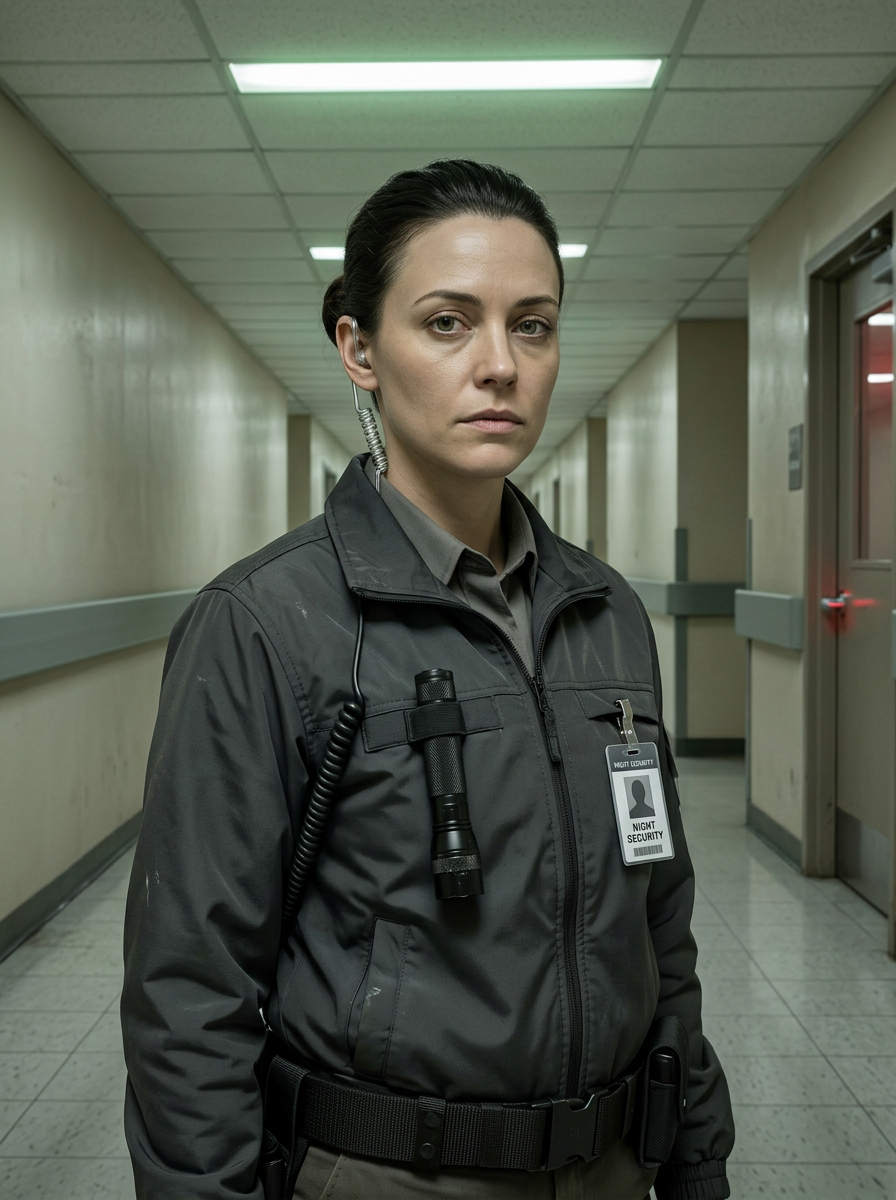
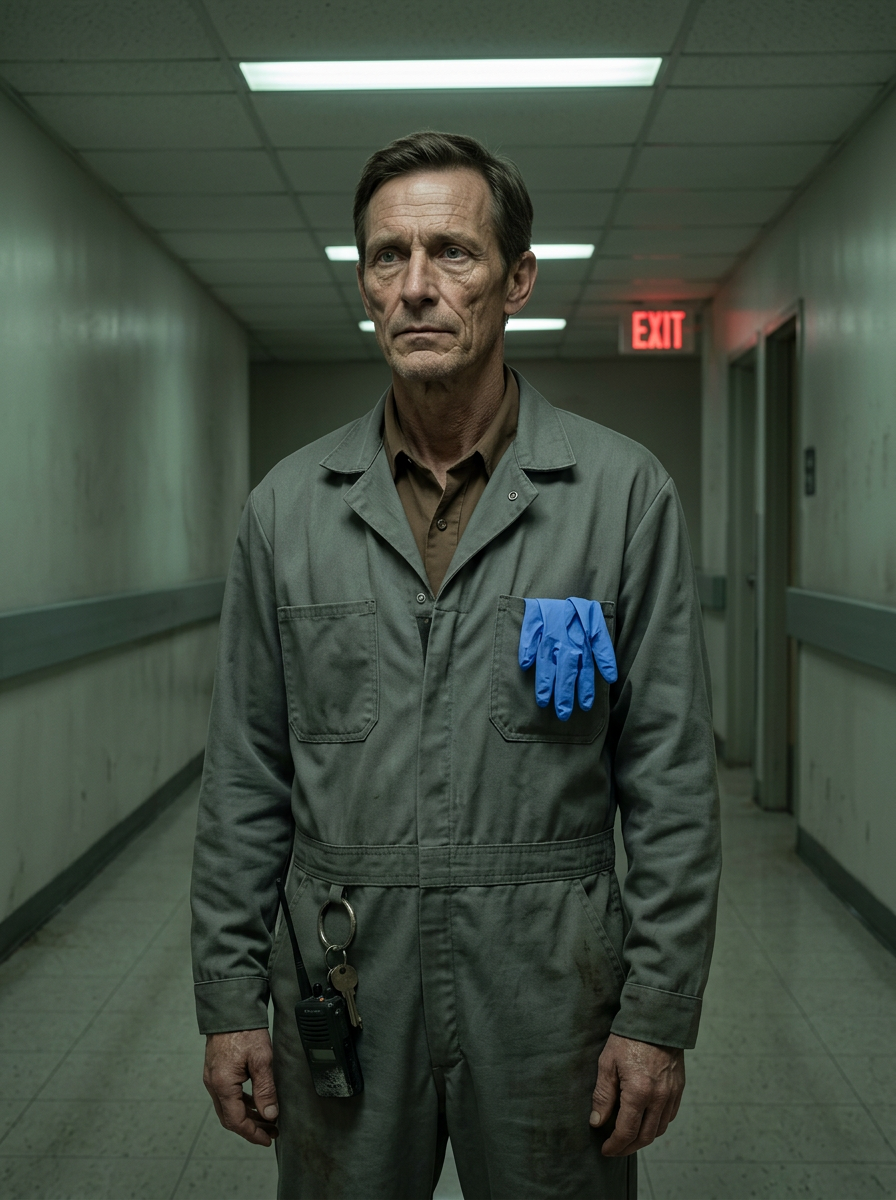
Night janitors who map anomalies by habit; private security teams ordered to suppress incidents; urban explorers chasing proof; municipal archivists who quietly collect floor plans that no longer match buildings; an unseen intelligence expressed through layout, lighting, and delay. Each faction engages the phenomenon through practical tools, procedures, and observed environmental evidence.
Conflict▾
The protagonist must navigate spaces that alter under observation, uncover who is exploiting the phenomenon, and decide whether escape is possible once a place has learned their patterns. Tension comes from credible spatial disorientation, procedural failure, and escalating environmental evidence rather than spectacle.
Rules▾
The spaces remain physically plausible but become oppressive through repetition, delay, impossible adjacency, and missing transitions. Technology works inconsistently in threshold zones. The more carefully one observes, the more the environment appears to observe back. Violence is rare; dread comes from navigation, implication, entrapment, and precise hyperreal environmental detail.
Return visits▾
These residents stay. Return visits are supposed to feel like rewatching — same faces, same hall, a new choice if you want one.
Credits▾
Authored by Storyworlds Studio